 Stop Foreclosure
1512 Artaius Parkway, Suite 300,
Libertyville, IL 60048


Call for a FREE Phone Consultation
847-549-0000
Video Consultations Also Available
 Spanish
 Cantonese
 3 convenient locations
Serving Clients Across 8 Illinois Locations
Recent Blog Posts
When a Commercial Tenant Stops Paying Rent
 If you are the owner of property that you lease to commercial tenants, you will almost certainly have to deal with lessees who fail to pay their rent on time. While you might offer grace periods or other ways to help your tenants, eventually, one or more of your tenants will probably reach a point where you start to wonder if they have stopped paying altogether. As a commercial landlord, there are a few things to consider and certain steps that you must take before you can begin the process of evicting a commercial tenant.
Reach Out and Talk
As with any human interaction, commercial leasing issues can often be resolved through open and honest communication. Maintaining open communication can catch small issues before they grow into major problems. If your tenant’s payment for the month is late, consider reaching out to find out what is happening. You could make a quick phone call, stop by the business, or even send a friendly text message asking if everything is ok, especially if your tenant has never had trouble paying on time before.
What Are My Rights as a Renter When My Landlord Is Facing Foreclosure?
 If you are a homeowner, there is a good chance that you bought your home with a mortgage loan and that you make payments on your mortgage every month. If you are a renter, you make rental payments each month, but instead of making payments to a bank or lending institution, your rent goes directly to your landlord. Presumably, your landlord is using your payments to make payments of his or her own on the mortgage for the property in which you live.
You are most likely aware that failing to make your mortgage payments on a home that you own could result in foreclosure, with the bank seizing your home. Similarly, you know that failing to make your rental payments could result in eviction, with the landlord taking possession of his or her property. So, what happens when you make your rental payments each month but your landlord does not make his or her mortgage payments?
Should I Purchase a Home Through a For Sale By Owner Transaction?
 When a person is looking to sell his or her home, he or she will usually enlist the help of a real estate broker to manage the deal. In some cases, however, a homeowner will forgo a broker and try to sell the home in a “for sale by owner” transaction, or a FSBO—pronounced “fizz-bo”—deal. If you are considering buying a FSBO property, you may be able to get great value for your money, but there are some risks that you should take into account.
Sharing the Workload
Real estate brokers are trained—and hired—to do much of the legwork involved in residential real estate transaction. In a FSBO situation, however, the owner will almost certainly not have the same level of experience or knowledge of the real estate world. This means that he or she might not provide you with all of the relevant information regarding the deal. While the oversight might be unintentional, you should be aware of it and be ready to take on some additional responsibilities in exchange for the lower price that is typically part of a FBSO purchase.
Report Finds Foreclosures Dropping in Chicago and Nationwide
 The real estate market is a complex combination of factors. However, it generally reflects the overall economic health of the country. When the economy is healthy, the real estate market does well, but when economic growth slows, there is usually a corresponding slowdown in home sales and new mortgages. In such situations, foreclosures generally increase as well.
With all of this mind, a recent report indicates that the economy is likely to be doing well, as the number of properties in foreclosure around the country has dropped fairly substantially compared to the same time last year. In the greater Chicago area, defaults, foreclosure filings, and lender repossessions have also decreased.
A Look at the Numbers
Last month, ATTOM Data Solutions released the Midyear 2019 U.S. Foreclosure Market Report that tracked foreclosure activity throughout the United States for the first six months of 2019. The report found that just under 300,000 properties are in some stage of the foreclosure process, a drop of 18 percent compared to the mid-year report from 2019. This figure represents the lowest level of foreclosure activity in the last 12 years. The 2019 number is a staggering 82 percent decrease from the first half of 2010 in which 1.65 million properties had foreclosure filings.
How Will Foreclosure Affect My Credit Score?
 Regardless of who you are, how much money you have, and the types of property you own, the word “foreclosure” is likely to generate feelings of fear, anxiety, and stress. If you are struggling to make the mortgage payments on your family home, the idea of foreclosure is likely to be especially frightening.
Most people understand the basic steps of foreclosure, even if they do not know all of the details. In short, they know that the lender will eventually force a homeowner who is in default to leave the property. Then, the lender will reclaim possession of the home and attempt to sell it in an effort to recoup some of the losses incurred. What many people do not realize, however, is the effect that a foreclosure will have on the borrower’s credit score.
Your Credit Score
Your credit score is a statistical rating that lenders and other institutions use to evaluate how well you manage debt. Credit scores can range from 300 to 850, and higher scores indicate stronger creditworthiness. A credit score above 740 is considered to be “Very Good,” and above 800 is considered “Excellent.” Between 670 and 739 is “Good,” while 580 to 669 is “Fair.” Anything below 579 is considered “Poor.”
What You Should Know About Buying an REO Property
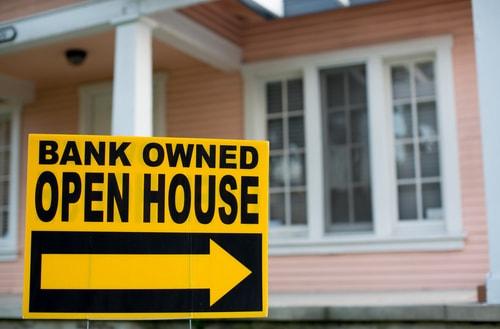 If you are looking to buy a home, you might have friends and family members suggesting that you should look into buying a foreclosure property. A foreclosure property is a piece of real estate that has been put up for sale by the bank after the original owner of the property failed to keep up with the mortgage payments.
Because a foreclosure sale is typically an auction, you could potentially get a great deal. But, what happens to homes that are foreclosed on and put up for sale at an auction but do not get sold? These properties revert back to the lender and become what are known as real estate-owned, or REO, properties.
Failed Foreclosure Auctions
When a lender seizes a home in foreclosure and puts it up for sale initially, the sale is usually conducted as a public auction. This means that the home will go to the highest bidder. In many cases, however, bidders do not get the chance to see or inspect the property before the auction. Additionally, the high bidder will normally be expected to pay for the property on the spot with cash or a certified check. Financing is available in certain situations, but most auctions sales are completed without it.
Your Lender Could Owe You Money after Foreclosure
 If you are facing the possibility of foreclosure, you probably have many concerns. You are likely to be worried about the details of the foreclosure process in addition to more personal considerations such as where you are going to live and how you will repair your credit in the years to come. It is not unusual for homeowners in foreclosure to believe that they will be lucky to get through the proceedings without owing anything additional on their home. Depending on the circumstances of your situation, however, your lender might actually owe you money when everything is all said and done.
Balancing the Numbers
As a homeowner, you probably know that foreclosure is the process that a lender will use to reclaim your home if you fail to make your agreed-upon payments. During foreclosure, you will be given notice to vacate the property, and the home will be sold at a sheriff’s auction. The proceeds of the sale are then used by the lender to satisfy the remaining balance of the mortgage loan. What happens next will depend on the situation.
Supreme Court Rules Foreclosure Lawyers Are Not Debt Collectors
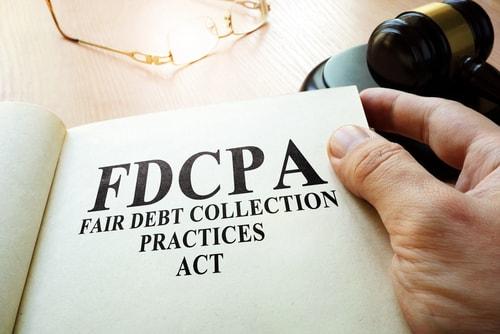 In the state of Illinois, foreclosure proceedings are handled entirely through the court system. Known as judicial foreclosure, the process is governed by the normal rules of civil procedure, just as any other civil lawsuit would be. In other states, non-judicial foreclosure is sometimes an option. A non-judicial foreclosure means that language in the mortgage agreement gives the lender the right to seize and sell the home in question if the borrower fails to make his or her payments.
While the primary difference between judicial and non-judicial foreclosure is whether or not the court is involved, this difference has led to other issues. For example, does a mortgage loan constitute traditional debt? What about the lawyers who represent the lenders during foreclosure? Are they considered to be debt collectors? Earlier this year, the United States Supreme Court weighed in on these exact questions in a case entitled Obduskey v. McCarthy Holthus LLP.
The Advantages of a Short Sale Over a Foreclosure
 Falling behind on your mortgage can be a source of tremendous anxiety. Most homebuyers are fully aware that failing to make mortgage payments will eventually result in the lender foreclosing on the loan, seizing the home, and selling it at auction. If you are currently struggling to stay current on your mortgage payments, or if your lender has initiated foreclosure proceedings, you might be able to negotiate a short sale, which could allow you to avoid several unpleasant realities.
What Is a Short Sale?
In simple terms, a short sale is the sale of property for a price that is less than what the owner owes on his or her mortgage. Before a short sale can be completed, the lender must agree to the sale. Additionally, in most cases, the lender will agree to accept the proceeds of the sale and forgive any shortfall between the sale price and the remaining balance of the mortgage. For example, if you have $200,000 left on your mortgage but the most you could get for your home right now is $175,000, you would be $25,000 “short.” You would need to convince your lender that this is the best you can do so that the lender will agree not to come after you for the remaining $25,000.
Beware of Common Foreclosure Scams and Fraud
 If you are behind on your mortgage and in danger of losing your home to foreclosure, it is understandable that you might be confused, overwhelmed, and uncertain about how to proceed. Unfortunately, there are many unscrupulous individuals who are more than happy to take advantage of you in the midst of your vulnerability. A qualified foreclosure defense lawyer can help you identify and avoid potential foreclosure scams before things get even worse for you and your family.
Companies That Come to You
When a person or company contacts you about your pending foreclosure, it means that they have something to sell you. Scammers keep up to date on foreclosure listings and reach out to desperate homeowners who are simply looking for any help they can find. Aggressive marketing and sales calls are often indicators that someone is trying to make quick money—possibly at your expense.










Contact Our Firm
 The use of the Internet or this form for communication with the firm or any individual member of the firm does not establish an attorney-client relationship. Confidential or time-sensitive information should not be sent through this form.
I have read and understand the Disclaimer and Privacy Policy.

